What water mitigation covers in Pearland
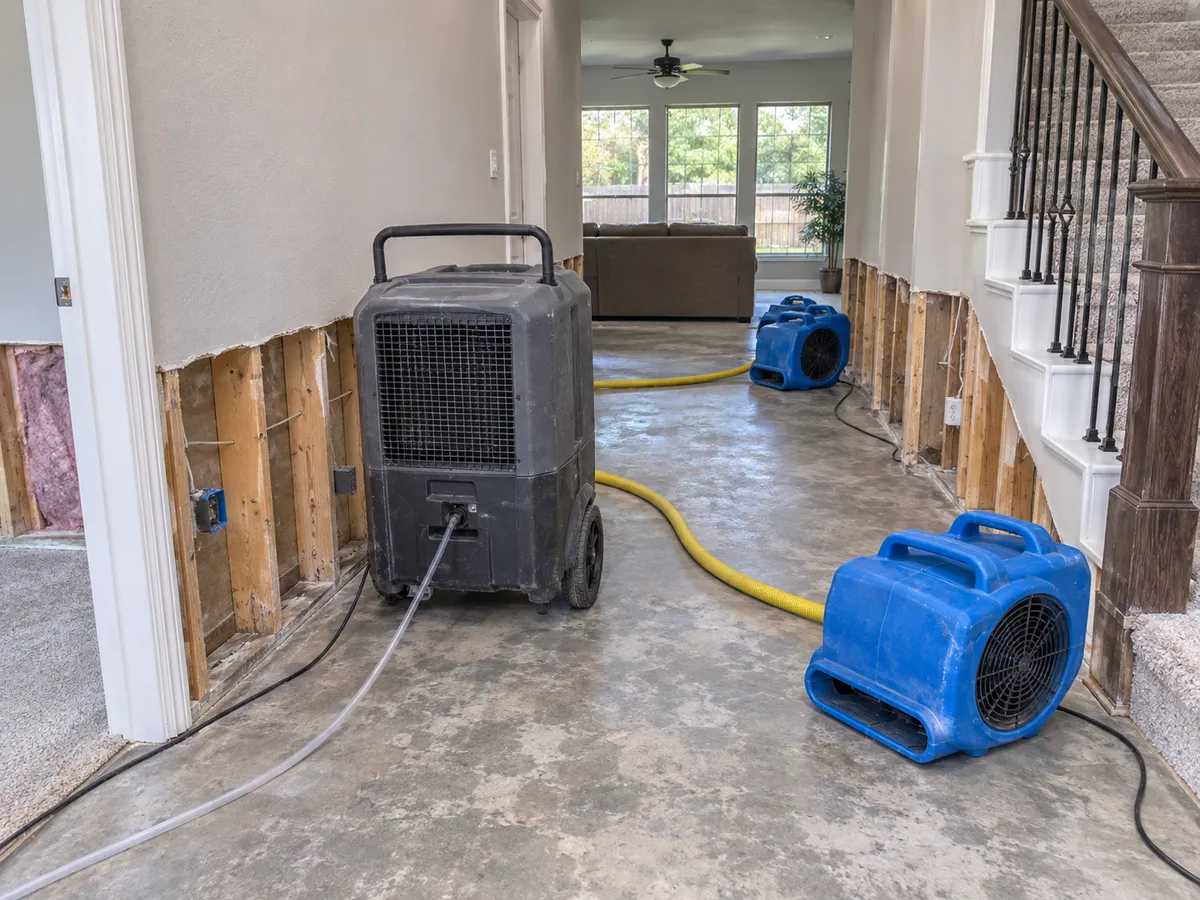
Mitigation is about limiting the damage. In Pearland, that means getting the water out, cutting out wet drywall or insulation that will not dry, and running drying equipment until moisture readings come down.
Humidity matters as much as standing water. The EPA recommends keeping indoor humidity below 60 percent and drying wet materials within 24 to 48 hours[EPA]. In a humid Gulf Coast climate, dehumidifiers do much of the work.
Step by step
- Inspect. Find the source and map how far the water went.
- Extract. Remove standing water from floors and carpet.
- Remove. Cut out drywall, insulation and pad that will not dry.
- Dry and monitor. Daily moisture readings until materials are dry.
Do
- Keep interior doors open to the wet area unless the crew says otherwise.
- Run the air conditioning to help pull moisture[CDC].
Avoid
- Opening windows on a humid day.
- Painting or covering walls before readings show dry.
Water mitigation and Pearland homes
The Census Bureau counts 47,560 housing units in the city of Pearland; 79% are single-family detached houses and 76% of occupied homes are owner-occupied[U.S. Census Bureau].
In February 2021 the National Weather Service recorded 13°F in the city of Houston[NWS Houston/Galveston]. Brazoria County was among the counties FEMA opened for individual disaster assistance after that storm[FEMA].
More in Pearland
- Emergency water removal in Pearland
- Water extraction in Pearland
- Water damage cleanup in Pearland
- Flood restoration in Pearland
- Flood cleanup in Pearland
- Sewage cleanup in Pearland
- Burst pipe water damage in Pearland
- Crawl space water removal in Pearland
- Water damage restoration in Pearland
Water mitigation nearby
General guide: water mitigation explained.