Cleaning up after a flood in Spring
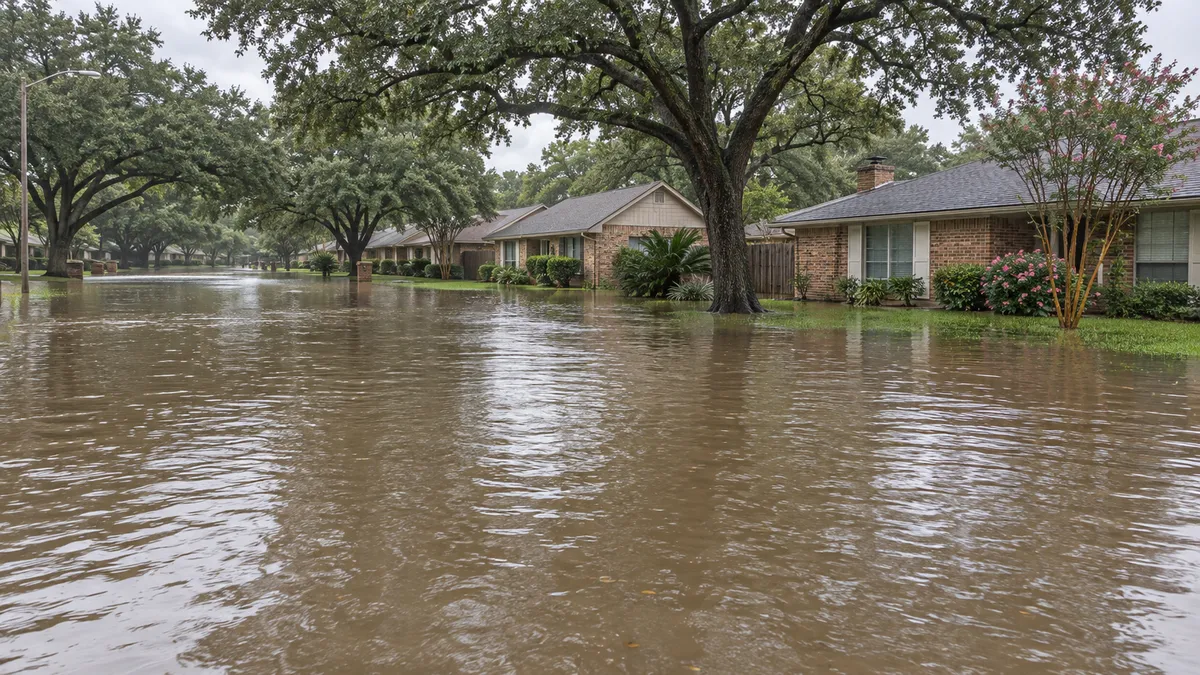
Flood cleanup in Spring starts with getting the water and mud out and deciding what can be saved. The EPA flood cleanup guide recommends professional help when sewage may be involved[EPA flood cleanup guide], and floodwater around Houston often runs through streets and drainage ditches before it reaches a house.
Do not wait for things to dry on their own; FEMA warns that delay lets damage spread[FEMA]. Wear boots, gloves and eye protection while cleaning, as the CDC advises[CDC].
How the job usually runs
- Safety first. Power off to flooded areas; no wet electrical work[CDC].
- Muck out. Water and mud removed, debris bagged.
- Strip. Wet drywall, insulation and flooring removed[FEMA].
- Clean and dry. Surfaces cleaned and dried to readings.
Avoid
- Running gas-powered equipment indoors[CDC].
- Leaving wet drywall in place to “see if it dries.”
Flood cleanup and Spring homes
During Hurricane Harvey, the National Weather Service logged 31.12 inches of rain at the 7.10 WSW Spring gauge between August 25 and 31, 2017[NWS Houston/Galveston].
Any address in Spring can be checked against the FEMA flood map[FEMA Flood Map Service Center]. Harris County homeowners can also use the Flood Control District’s Flood Education Mapping Tool, which shows mapped floodplains relative to homes[Harris County Flood Education Mapping Tool].
More in Spring
Flood cleanup nearby
General guide: flood cleanup explained.